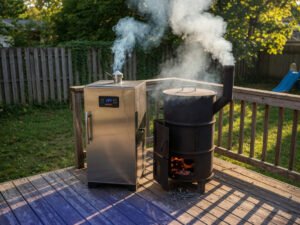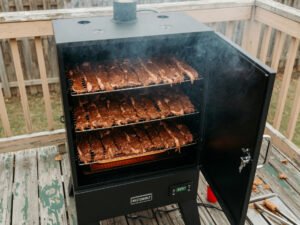
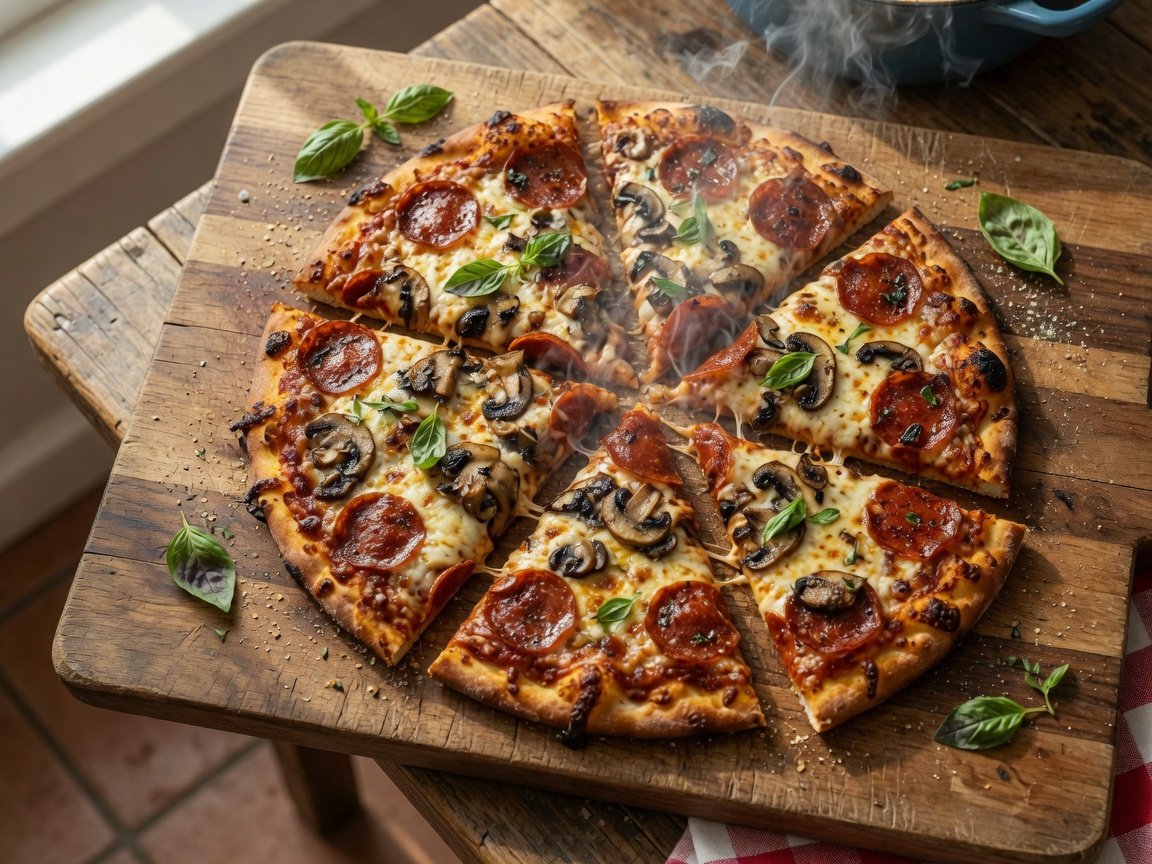
You can smoke a pizza in an electric smoker in just 30 to 35 minutes at 225°F — and the result is genuinely unlike anything a conventional oven produces. The crust comes out lightly chewy inside, crisp and bronzed at the edges, and carrying a layer of wood-smoke flavour that transforms a familiar dish into something worth making every single weekend.
Key Takeaways
- The ideal smoking temperature for pizza is 200–225°F — low and slow delivers genuine smoke penetration that a hot oven simply cannot replicate
- Fresh pizza takes 30–35 minutes; frozen pizza goes in from frozen and needs 45–50 minutes
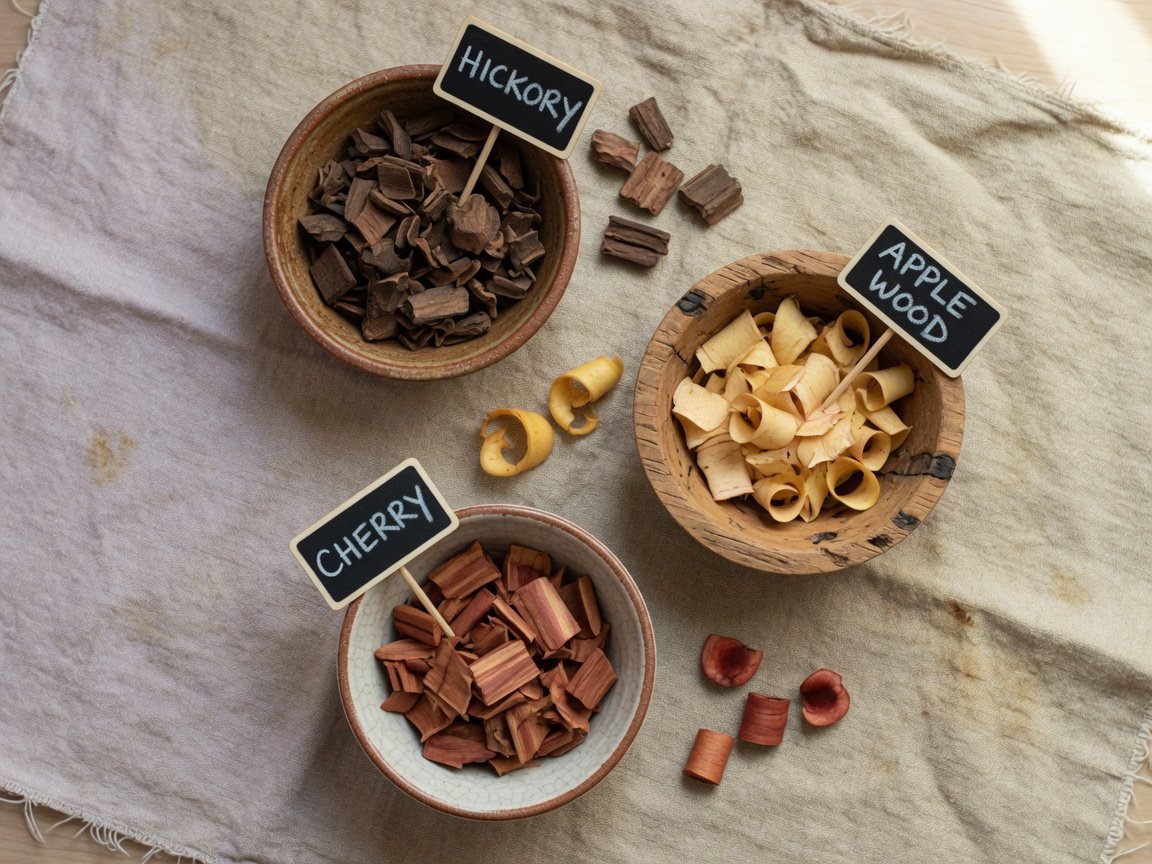
- Hickory is the go-to wood chip for most pizza builds — apple and cherry are excellent alternatives depending on your toppings
- Preheating your smoker for a full 15–20 minutes before loading is the single most important step — skip it and you’ll get a soft, doughy base every time
What Makes Smoked Pizza Different from Oven-Baked Pizza?
A conventional oven works by hitting pizza with aggressive, dry heat — typically 450–500°F from above or below — and cooks it fast. An electric smoker operates almost entirely differently. It holds a much lower, steadier temperature and circulates wood-infused smoke around the food continuously throughout the cook.
That combination does two things simultaneously: it cooks the pizza thoroughly and deposits smoke compounds — primarily phenols and carbonyls — onto every surface. Food chemistry research shows that phenolic compounds are the primary carriers of wood-smoke aroma and flavour. On pizza, those compounds transform a familiar dish into something with real depth. The crust develops a lightly chewy interior with crispy, bronzed edges rather than the puffed, airy result you’d get from high-heat baking.
Studies in food science consistently show that smoke exposure under 250°F retains more moisture in the dough than high-heat baking does — which explains why smoked pizza stays tender at the centre while crisping on the outside. The extra cook time (30–35 minutes versus 10–12 in the oven) isn’t wasted. It’s what allows smoke flavour to fully penetrate the dough and toppings rather than just coating the surface. Think of it as the difference between seasoning and marinating.
What Equipment Do You Need to Smoke a Pizza in an Electric Smoker?
You don’t need a lot of specialised gear beyond your smoker, but a few specific items make a real difference to the final result. Have these ready before you start.
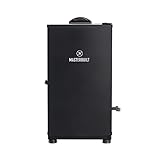
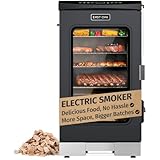
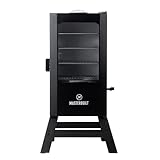
- Electric smoker: Any model large enough to accommodate a 12-inch pizza base works. Mid-range smokers in the $150–$300 price range are more than capable of producing excellent smoked pizza.
- Heavy-duty baking sheet or pizza stone: A thick baking sheet distributes heat evenly and prevents the base from burning. A pizza stone — if it fits inside your smoker — promotes an even crispier bottom crust through its heat-retention properties.
- Wood chips: Hickory, apple, or cherry. More on this in the next section.
- Instant-read probe thermometer: Independent testing of electric smoker models has found that built-in dial accuracy varies by as much as 25°F from the actual chamber temperature. A separate probe placed at rack level gives you a reliable reading every time.
- Heat-resistant gloves: Essential for handling hot racks and baking sheets safely.
- Cooking spray or olive oil: To grease your baking sheet so the dough releases cleanly after cooking.
One often-overlooked piece of kit is the water bowl inside your smoker. Fill it halfway before every pizza cook. The added humidity prevents the dough from drying out during the 30–35-minute smoke, keeping the interior soft while the exterior crisps. The halfway mark is the sweet spot — enough moisture to protect the dough without creating excessive steam that softens the crust too much.
What Temperature Should You Use to Smoke Pizza in an Electric Smoker?
Set your electric smoker to 225°F. That’s the top of the ideal range and the temperature most experienced pitmasters settle on for pizza. The broader working window is 200–225°F. Below 200°F, the crust may never fully cook through. Above 250°F, you start losing the slow-smoke character that makes smoked pizza worth the extra time.
Always allow a full 15–20 minutes of preheat time before the pizza goes in. Skipping this step is the single most common cause of doughy, unevenly cooked smoked pizza.
Preheat time isn’t just about hitting the target air temperature — it’s about the chamber walls, racks, and water bowl all stabilising at 225°F so the pizza enters a consistent cooking environment from the very first second. Cut the preheat short and the pizza sits in warm, damp air rather than consistent heat. The base turns soft before it has a chance to crisp, and no amount of extra cook time can fully recover that.
Don’t trust your smoker’s built-in dial blindly. As noted above, testing across numerous electric smoker models has found dial accuracy can be as much as 25°F off in either direction. Use an independent probe thermometer placed at rack level for an accurate reading. Many experienced smokers calibrate their dial at least once per cooking season to account for drift.
Which Wood Chips Give Smoked Pizza the Best Flavour?
Wood selection is one of the most personal choices in smoking — and pizza is no different. That said, some woods pair with pizza far better than others, and the differences are genuinely noticeable.
| Wood | Flavour Profile | Best Matched With | Intensity Level |
|---|---|---|---|
| Hickory | Bold, slightly nutty | Classic tomato builds, pepperoni, Italian sausage | High |
| Apple | Mild, sweet | White pizzas, prosciutto, fresh mozzarella, fig | Low–Medium |
| Cherry | Fruity, moderately strong | Meat-heavy pizzas, cured meats | Medium |
| Mesquite | Earthy, robust | Blend only — use at 25% maximum | Very High |
| Cherry + Hickory 50/50 | Layered, balanced | Versatile — suits most topping combinations | Medium–High |
Hickory is the clear first recommendation. It produces a bold, slightly nutty smoke that stands up well against rich tomato sauce and melted cheese. It’s widely available, affordable, and forgiving. Two to three handfuls over a 30–35-minute cook delivers just the right intensity without tipping into bitterness.
Apple wood is the best alternative for lighter builds. It’s noticeably milder and sweeter than hickory, which works beautifully on white pizzas or anything where you want the toppings to carry the flavour rather than the smoke. Cherry wood sits between the two — moderately fruity, moderately strong — and is particularly good with meat-heavy builds. Many experienced smokers blend cherry and hickory chips 50/50 for a balanced, layered smoke profile that works on virtually any topping combination.
Mesquite is an intense option best used sparingly. On a 30-minute pizza cook, mesquite can easily overpower everything else. If you enjoy its earthy character, blend it at roughly 25% mesquite to 75% hickory or apple — you get the edge without the bitterness.
Regardless of which wood you choose, soak the chips in cold water for 30 minutes before use. Soaking causes chips to smoulder rather than flare, producing a longer, cooler, more consistent smoke — exactly what you want at 200–225°F. Add a fresh handful approximately every 30 minutes to maintain steady smoke throughout the cook.
How Do You Prepare Your Pizza Before It Goes in the Smoker?
Preparation is where most of the real quality comes from. A few extra minutes here makes a significant difference in the finished pizza.
Start with your dough. Whether you’re using a store-bought ball or making your own, bring it to room temperature before shaping. Cold dough resists stretching — it springs back, tears unevenly, and produces an inconsistent base. Allow 20–30 minutes out of the fridge before you start working with it. If making your own, use bread flour rather than all-purpose. Bread flour’s higher protein content builds more gluten structure, producing a base that holds its shape better under the slow, humid heat of the smoker.
Shape the dough into a 12-inch circle on a lightly floured surface and transfer it to a greased baking sheet. Spread 3–4 tablespoons of pizza sauce across the surface, leaving a clean ½-inch border around the edge for the crust to develop properly. Then add your cheese — about ½ cup of shredded mozzarella for a 12-inch pizza — followed by your chosen toppings. Keep the topping layer moderate rather than generous. Over-loaded pizzas trap steam and produce soggy centres no matter how well you manage the smoke and temperature.
Once assembled, get the pizza into the smoker within 10–15 minutes. Any longer and the sauce begins saturating the dough and softening it before cooking even starts — a problem you cannot fix once the damage is done.
How Do You Smoke a Pizza in an Electric Smoker — Step by Step?
Follow these steps in order and you’ll have a finished, sliceable smoked pizza on the table in under an hour from start to finish.
- Soak your wood chips. Place 2–3 handfuls of hickory chips (or your chosen wood) in a bowl of cold water and soak for 30 minutes while you prepare everything else.
- Preheat the smoker to 225°F. Allow 15–20 minutes for the chamber to fully stabilise at temperature. Add the soaked chips to the chip tray and fill the water bowl halfway.
- Prepare and assemble your pizza. Shape the dough on a greased baking sheet, apply sauce, add cheese and toppings as described above.
- Load the pizza into the smoker. Place the baking sheet on the top rack. The top rack sits closest to the heating element, which helps the base cook through from below while smoke circulates from all sides.
- Smoke for 30–35 minutes. Close the door and resist opening it for the first 25 minutes. Every time you open the smoker, the chamber temperature drops by 15–25°F and smoke escapes — both work directly against you.
- Check at the 25-minute mark. Open briefly to assess the crust colour and cheese melt. Golden-brown edges and bubbling cheese mean you’re close. If still pale, close up and give it another 5–10 minutes.
- Add fresh chips if needed. If you’re going beyond 30 minutes or want a heavier smoke flavour, add one handful of fresh soaked chips at the 30-minute mark.
- Test for doneness. Insert a toothpick into the centre of the crust at its thickest point. Clean withdrawal means the dough is fully cooked through. Any sticky, wet residue means it needs more time.
- Rest before slicing. Remove the pizza and let it sit for 3–5 minutes. This allows the cheese to set slightly and the steam inside the crust to redistribute — both improve texture and make every slice come out cleaner.
What Are the Best Toppings for Smoked Pizza?
The smoker amplifies savoury flavours in a way the oven simply doesn’t. Certain toppings benefit from this more than others — here’s a breakdown of what works best and why.
Cured meats are the natural starting point. Pepperoni is the classic choice — the smoke deepens the spice in the meat and renders the fat slightly, creating a topping that’s noticeably more intense than its oven-cooked counterpart. Italian sausage, bacon, chorizo, and ‘nduja all behave similarly. The rendered fat effectively bastes the pizza from above as the smoke works from all sides, producing something more unified and flavourful than any single-heat cook achieves.
Vegetables are perhaps the most exciting category for smoked pizza. Mushrooms, roasted peppers, artichoke hearts, and sundried tomatoes all absorb smoke readily and develop concentrated flavour during the slow cook. For the most impactful result, consider pre-smoking your vegetable toppings before adding them to the pizza — this layers smoke at two stages and produces a noticeably richer finished dish. Our complete guide to smoking vegetables in a pellet electric smoker covers timing, temperature, and technique for the most common pizza vegetables.
Onions are a particularly underrated pizza topping when you’re working with a smoker. They caramelise beautifully at 225°F, turning sweet and soft with a subtle char at the edges. For anyone who wants to take this further, our dedicated walkthrough on smoking onions in an electric smoker explains exactly how to prepare them so they’re perfectly ready to layer straight onto your base.
Cheese combinations make a real difference in the smoker. Standard shredded mozzarella is the benchmark, but adding provolone, fontina, or Gouda creates a richer, more complex melt. Smoked mozzarella — widely available from delis — doubles down on the wood-smoke character without any extra work. Keep total cheese quantity to around ½ cup per 12-inch pizza; too much traps moisture and fights against a crispy base.
Seafood works surprisingly well on smoked pizza. Salmon stays moist and flakes apart beautifully at 225°F over a smoked mozzarella and crème fraîche base — it’s an unusual combination, but genuinely delicious for anyone looking to experiment beyond the classic builds.
How Do You Know When Your Smoked Pizza Is Done?
There are three reliable checks you can use to determine doneness. Use all three together if you’re uncertain — any single indicator alone can occasionally mislead you, but together they give a complete picture.
Visual cue: The crust edge should be a deep, even golden brown. Pale or beige edges mean the pizza needs more time. The cheese should be fully melted and showing small golden patches where it’s just starting to brown — not raw and white, not dark or dried out.
Toothpick test: Insert a toothpick straight down through the centre of the pizza crust at its thickest point. If it comes out clean and dry, the dough is cooked through. If it comes out with wet, sticky dough clinging to it, close the smoker and check again in 5 minutes.
Base check: Slide a spatula under one edge of the pizza and lift slightly to examine the underside of the crust. It should be firm, dry, and lightly browned — not pale, limp, or wet. A pale, soft base usually means the smoker lost temperature during the cook. If this happens, add a small amount of fresh wood chips, confirm the temperature has returned to at least 200°F, and give the pizza another 5–10 minutes.
What Mistakes Do People Make Most Often When Smoking Pizza?
Most failed smoked pizzas trace back to a handful of completely avoidable errors. Here’s what to watch for — and exactly how to fix each one.
Not preheating the smoker long enough. This is the number one culprit. A pizza placed in an under-temperature smoker sits in warm, damp air rather than consistent heat, and the base turns soft and doughy before it has a chance to crisp. Always allow the full 15–20 minutes of preheat time. No shortcuts.
Over-loading the toppings. More isn’t better on a smoked pizza. Heavy topping loads hold moisture, which becomes steam inside the closed smoker and keeps the crust soft no matter how well you control the temperature. Think thin-crust trattoria style rather than deep-dish — moderate layers only.
Opening the door too frequently. Every opening costs you 15–25°F in chamber temperature and lets valuable smoke escape. This extends the cook time and disrupts the consistent smoke exposure that gives smoked pizza its character. Set a timer and enforce a strict 25-minute no-peek rule before your first check.
Using too much wood. More smoke does not mean better flavour on pizza. Excess smoke produces harsh, acrid bitterness — what experienced pitmasters call “over-smoking” — that overwhelms every other flavour on the pizza. Two to three handfuls of chips for the entire 30–35-minute cook is the right amount. Subtle and pleasant is the goal, not a pizza that tastes like a bonfire.
Cutting immediately. Slicing a freshly smoked pizza straight from the smoker causes cheese to slide and the crust to compress under the knife. A 3–5 minute rest makes every slice come out cleaner and more structurally sound — it’s worth the wait.
Can You Smoke a Frozen or Store-Bought Pizza in an Electric Smoker?
Yes — and it’s one of the best ways to add real interest to an otherwise ordinary pizza without any meaningful prep work. Both frozen pizzas and refrigerated store-bought bases adapt extremely well to the electric smoker with a couple of small adjustments.
For a frozen pizza, remove it from the packaging and place it directly on a greased baking sheet — do not thaw it first. The frozen base benefits from the gradual temperature increase inside the smoker: it defrosts and the dough rises slightly before the full cooking temperature takes hold, producing a better texture than thawing and then smoking would. Increase your smoking time to 45–50 minutes at 225°F and verify doneness with both the visual check and the toothpick test.
For a store-bought refrigerated base, treat it exactly as you would homemade dough. These bases are typically par-baked and cook faster — check from the 25-minute mark. They’re also highly reliable in the smoker because the commercial dough-to-moisture ratio is already optimised for even cooking.
Useful tip for either type: brush the crust edge lightly with garlic-infused olive oil before loading. This small step adds a meaningful layer of flavour that elevates a commercial base noticeably — and it develops beautifully in the gentle heat of the smoker.
Simple Smoked Pizza Recipe for Your Electric Smoker
This is the baseline recipe — simple, reliable, and consistently good. Once you’re comfortable with it, use it as a foundation for more adventurous builds with different woods, toppings, and dough styles.
Ingredients
- ½ pound (225g) pizza dough — store-bought or homemade with bread flour
- ¼ cup (60ml) pizza sauce
- ½ cup (60g) shredded mozzarella cheese
- Your chosen toppings (pepperoni, mushrooms, peppers, onions, etc.)
- Olive oil for greasing
- 2–3 handfuls hickory wood chips, soaked in cold water for 30 minutes
Instructions
- Preheat your electric smoker to 225°F with soaked hickory chips in the chip tray and water halfway up the water bowl. Allow 15–20 minutes for the chamber to fully stabilise.
- Grease a heavy-duty baking sheet with olive oil.
- Shape the dough into a 12-inch circle on a lightly floured surface and transfer to the baking sheet.
- Spread the pizza sauce across the dough, leaving a ½-inch border around the edge.
- Add the shredded mozzarella and your chosen toppings in a moderate, even layer.
- Place the baking sheet on the top rack of the smoker and close the door.
- Smoke for 30–35 minutes until the crust is golden-brown at the edges and the cheese is fully melted and lightly bubbling.
- Remove from the smoker, rest for 3–5 minutes, then slice and serve immediately.
Frequently Asked Questions About Smoking Pizza in an Electric Smoker
How long does it take to smoke a pizza in an electric smoker?
At 200–225°F, most fresh pizzas take 30–35 minutes. Thicker dough or very generously topped pizzas may need up to 40–45 minutes. Frozen pizzas go in from frozen and take 45–50 minutes. Always use the visual check and toothpick test to confirm doneness rather than relying on time alone — every smoker runs slightly differently.
Do I need a pizza stone to smoke a pizza in an electric smoker?
No — a heavy-duty greased baking sheet works perfectly well and is what most people use. A pizza stone does produce a crispier base because it absorbs and redistributes heat more evenly than a metal sheet, but it isn’t essential. If you own a pizza stone that fits inside your smoker’s rack, it’s worth using. If not, a quality baking sheet gives you everything you need.
What is the best wood for smoking pizza?
Hickory is the most widely recommended choice — bold, consistent, and widely available. Apple wood is the best alternative for lighter, more delicate flavour profiles. Cherry adds a subtle fruitiness that works particularly well with cured meats. Avoid using pure mesquite on a short 30-minute cook — it tips into bitterness quickly. Blending cherry and hickory at 50/50 gives a layered result that suits a wide range of toppings.
Can I smoke other foods at the same time as my pizza?
You can, with some thought. Avoid cooking strong-smelling proteins like fish on the same rack or directly below the pizza — aroma transfer in a closed smoker is real and can affect the pizza’s flavour in ways you didn’t plan for. Vegetables are a much safer choice for simultaneous cooking. If you want to make the most of your session, our guide to smoking corn in an electric smoker covers a vegetable that cooks beautifully alongside pizza at similar temperatures and timing.
How do I stop my smoked pizza crust from getting soggy?
Three things matter most. First, don’t over-sauce — 3–4 tablespoons is the right amount for a 12-inch pizza. Second, keep your toppings to a moderate layer so excess moisture can’t accumulate. Third, ensure your smoker is fully preheated to 225°F before the pizza goes in. A cold start is the primary cause of soft, underdone bases. A perforated pizza pan, if you have one, also helps by allowing smoke to circulate underneath the crust and firm it up from below.
Can I use smoked sauce on my pizza instead of regular sauce?
Absolutely — and it’s an excellent idea. Pre-smoking a tomato sauce or flavoured olive oil before using it as your pizza base adds another dimension of smoke flavour that most people find genuinely addictive. The technique involves smoking the sauce low and slow in an open container or cast-iron pan for 20–30 minutes before building the pizza. Our guide to smoking marinades and sauces in an electric smoker explains the process in full and covers the best sauce types to use.
Is smoked pizza suitable for a pizza party or batch cooking?
Yes, with a little organisation. Most standard electric smokers can accommodate two 12-inch pizzas on separate racks simultaneously — though you may need to rotate the trays halfway through to account for any hot spots. For larger groups, build a simple production line: prep multiple pizzas in advance, keep them covered at room temperature, and run them through the smoker in 30–35-minute batches. The timing is very manageable for a casual gathering.
Final Thoughts: Your Electric Smoker Makes Better Pizza Than You Think
Smoking a pizza in an electric smoker is one of the most accessible and rewarding things you can do with the appliance in 2026. The process asks nothing more of you than a preheated smoker, decent ingredients, and a little patience with the cook time. What it gives back is a pizza with genuine character — richer, more complex, and unmistakably smoky in the best possible way.
Start with the simple recipe above. Get comfortable with how your smoker holds temperature and how the smoke from your chosen wood builds over 30–35 minutes. Once that baseline is solid, the variations are practically endless: different wood blends, pre-smoked toppings, smoked cheeses, smoked sauces, different dough styles. Every change teaches you something useful.
And once you’re confident with pizza, the same principles — low temperature, quality wood, good ingredients, patience — apply across a huge range of other cooks. If you want to see how that same methodical approach delivers on a longer, more involved project, our step-by-step guide to smoking pork ribs in an electric smoker is a natural next step. Fire it up — your best smoked pizza is closer than you think.