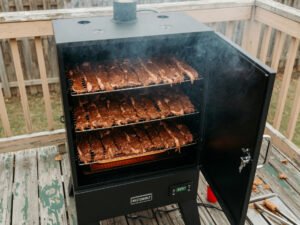
Imagine the scent of apple wood curling around a perfectly brined turkey leg, and you’ll know why we swear by the soak. We’ll walk through the salty‑sweet brine, the 40‑minute rest, and the low‑and‑slow smoke that brings the meat to a juicy 160°F before we finish it at 275°F with a glaze that caramelizes just right. I’m not 100 % sure if the extra honey is essential, but it adds a nice contrast to the wood, and the final sprinkle of sesame or chives? That’s the little touch that makes it feel special. Let’s explore and see how each step shapes the flavor.
Why Brining Is the Secret to Juicy Smoked Turkey Legs
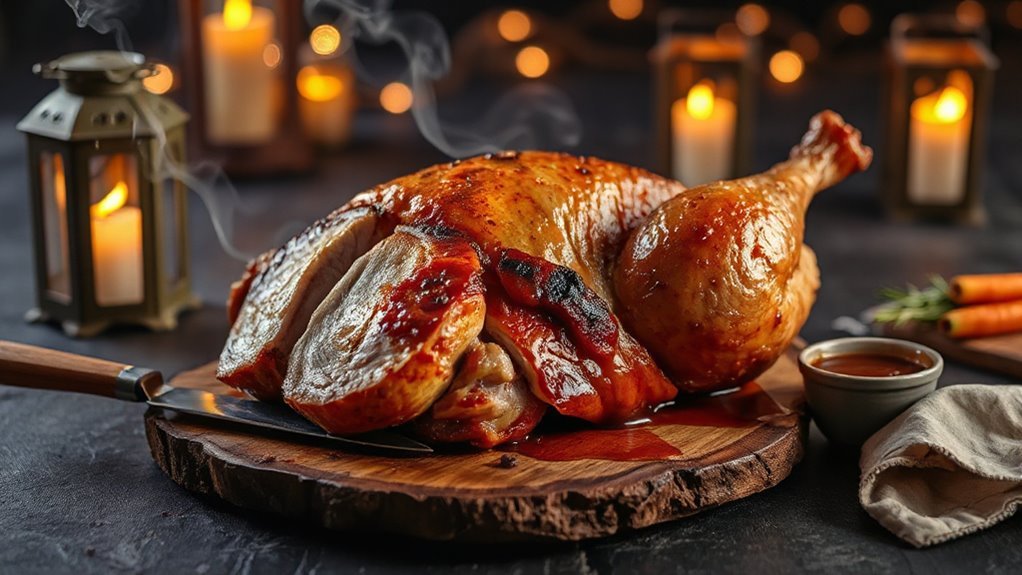
We start by soaking the turkey legs in a brine, and honestly, that’s where the magic happens. The brining chemistry, a gentle dance of salt and water, draws out proteins and then lets them re‑absorb moisture, boosting meat hydration. As we let the legs sit, the salt ions infiltrate muscle fibers, breaking down some structures so the meat stays tender when we smoke it later. We’ve noticed the texture improves, perhaps because the brine also carries subtle flavors that settle in the meat. It’s not just about moisture; the process creates a more forgiving texture, which can be a lifesaver if the smoker runs hot. In short, the brine sets the stage for juicy, flavorful legs.
Choose Ingredients & Tools for a Perfect Smoked Turkey Leg Brine
What ingredients should we reach for when we want a brine that really sings? We start with a basic salt‑to‑water ratio, then add a touch of honey for subtle sweetness. A splash of apple cider vinegar gives a gentle acidity that lifts the meat. For spice blends, we like a mix of crushed black pepper, garlic powder, and a pinch of smoked paprika; sometimes we toss in bay leaves or mustard seeds for extra depth.
As for brine gear, a sturdy, non‑reactive pot and a large resealable bag are essential – we’ve found a heavy‑duty zip‑lock works better than flimsy plastic wrap. A kitchen thermometer helps us keep the temperature right, and a whisk ensures everything dissolves evenly before we submerge the turkey legs.
How to Brine Turkey Legs for Maximum Flavor and Juiciness
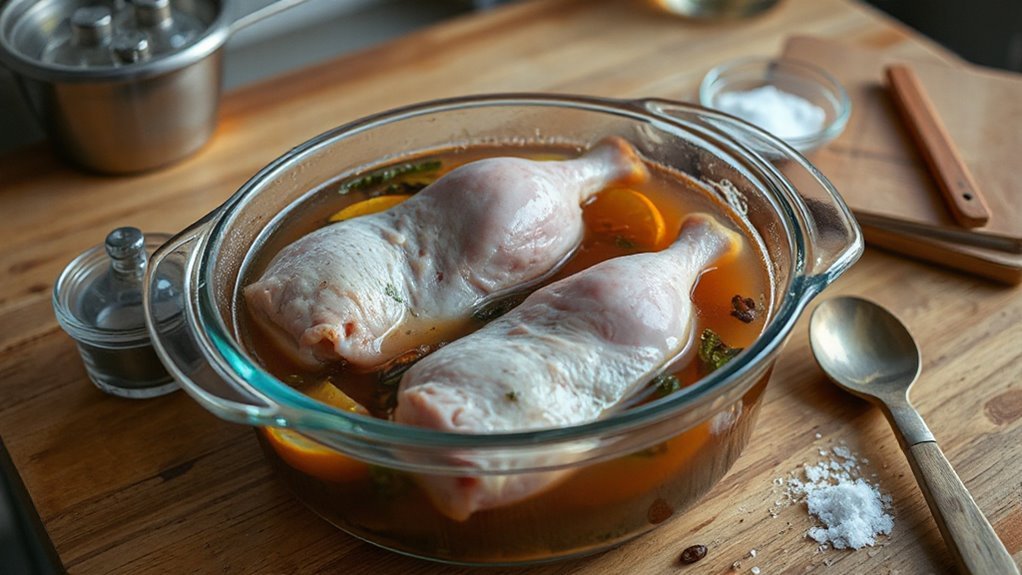
Why does a good brine feel like a secret weapon for turkey legs? We know it tenderizes, flavors, and keeps the meat juicy, but we also fear brining pitfalls like oversalting.
| Component | Tip |
|---|---|
| Salt balance | Use 1 Tbsp kosher salt per quart water; adjust if you add sweeteners. |
| Sweet/acid | Add honey or citrus sparingly to avoid masking flavor. |
| Time | 12–18 hours is enough; longer can turn texture mushy. |
We start by heating water, salt, honey, and spices, then cool it with ice. Placing legs in resealable bags ensures even coverage. After brining, we pat them dry, let them sit, and we’re ready. The key is watching the salt balance—too much, and the meat dries; too little, and the brine’s benefits fade. We’ve learned that a little hesitation, adjusting ratios, helps avoid those common pitfalls.
Mastering the Smoker: Temperature, Wood, and Timing Tips
Ever wonder how the right temperature, wood choice, and timing can turn a simple turkey leg into a smoky masterpiece? We start by setting the smoker temp to a steady 225‑250°F, which gives the meat time to absorb flavor without drying out. If the temperature spikes, the bark forms too quickly and the interior stays raw—so we keep an eye on the gauge and adjust the vents. For wood choice, we favor fruit woods like apple or cherry; they’re mild, sweet, and won’t overpower the turkey’s natural taste. Occasionally we mix in a pinch of maple for a deeper note, though too much can become cloying.
Timing is a dance: we smoke until the internal temp hits about 160°F, then raise the heat to 275°F for the glaze. It’s not exact science; we trust our senses and a thermometer, and we stay flexible, because every smoker behaves a little differently.
Step‑by‑Step Smoking Process for Raw Smoked Turkey Legs
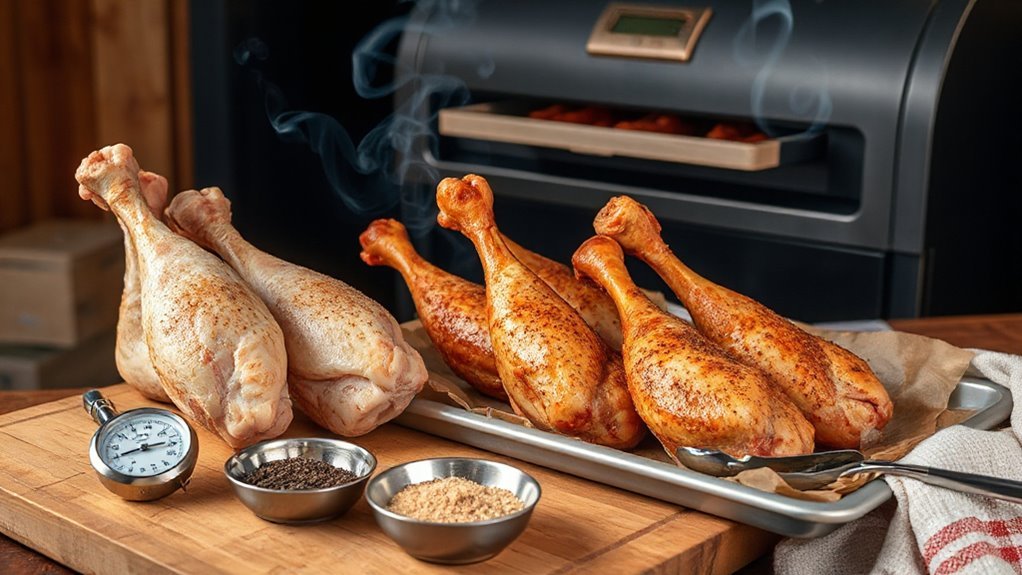
How do we actually get those raw turkey legs from the brine to a perfectly smoked finish? First we pat them dry, because any moisture will sabotage the bark. Then we rub olive oil and a generous layer of our favorite BBQ seasoning, letting the legs rest at room temperature for about forty minutes—just enough to take the chill off.
We preheat the smoker to 225 °F, loading apple wood chips for a subtle sweetness. Place the legs directly on the grates, and here’s a quick note on basting myths: you don’t need to baste every five minutes; the smoke does the work. As we watch the temperature climb, we resist gadget obsessions, using a simple instant‑read thermometer instead of fancy apps. When the internal heat hits 160 °F, we raise the smoker to 275 °F, finish cooking until 175 °F, and then pull them out, ready for the next step.
Glaze, Rest, and Set the Final Smoked Turkey Leg Finish
After the legs have hit that perfect 175 °F, we give them a quick brush with our glaze—usually a mix of BBQ sauce and a splash of hot honey—just before we pull them off the smoker. We linger a moment, applying glazing techniques that let the sauce caramelize without burning, turning the surface a deep mahogany. Then we let the meat rest, because resting mechanics are essential; the juices redistribute, making each bite tender and flavorful.
We usually cover the legs loosely with foil for five to ten minutes, but sometimes we let them sit uncovered to develop a slightly crispier crust. A final sprinkle of sesame seeds or chopped chives adds texture, and we’re ready to serve.
Store, Reheat, and Serve Your Smoked Turkey Legs Safely
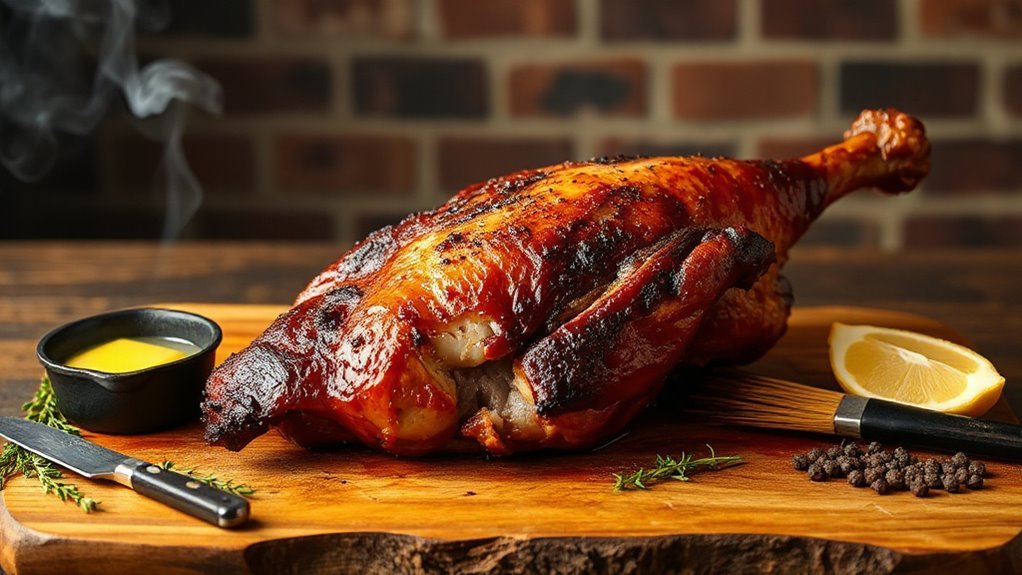
Ever wonder how to keep those smoked turkey legs tasting just as good after a day or two? We recommend letting them cool completely, then sealing them in an airtight container and refrigerating no more than four days.
When we’re ready to reheat, we pre‑heat the oven to 250 °F, wrap the legs in foil, and warm them until they reach 165 °F—this gentle heat preserves moisture and the original flavor pairing we built with the rub and smoke.
If you’re using a grill, keep the temperature low and flip often; just watch the meat so it doesn’t dry out.
Finally, serve with a fresh side or a light sauce, and remember to clean your smoker and oven grates—equipment maintenance helps keep future batches just as tasty.
Frequently Asked Questions
Can I Use a Turkey Breast Instead of Legs for Smoking?
We can definitely swap turkey breast for legs, but adjust smoking methods: use a lower temperature, longer time, and monitor internal heat closely to keep the meat juicy and safe.
Is It Safe to Skip the Brine and Smoke Directly?
We say it’s not essential, but skipping brine can lead to dry meat; we recommend brining for moisture, then follow proper smoke timing—about 3 hours at 225 °F—to reach safe internal temperature.
How Long Can Smoked Turkey Legs Be Frozen Without Quality Loss?
We say you can keep smoked turkey legs in the freezer for up to three months before noticeable freeze quality loss, though the best freezer time for prime texture and flavor is two months.
Do I Need to Baste the Legs During the Entire Smoking Process?
We recommend basting lightly every 30 minutes, not continuously, throughout the smoking duration; this maintains moisture while allowing the crust to form, giving you flavorful, tender turkey legs without soggy skin.
Can I Reuse the Brine for Another Batch of Turkey?
We’ll say no—reusing brine isn’t safe. Bacterial growth can spike after the first batch, so discard it and start fresh for each turkey batch to assure brine safety and great flavor.